
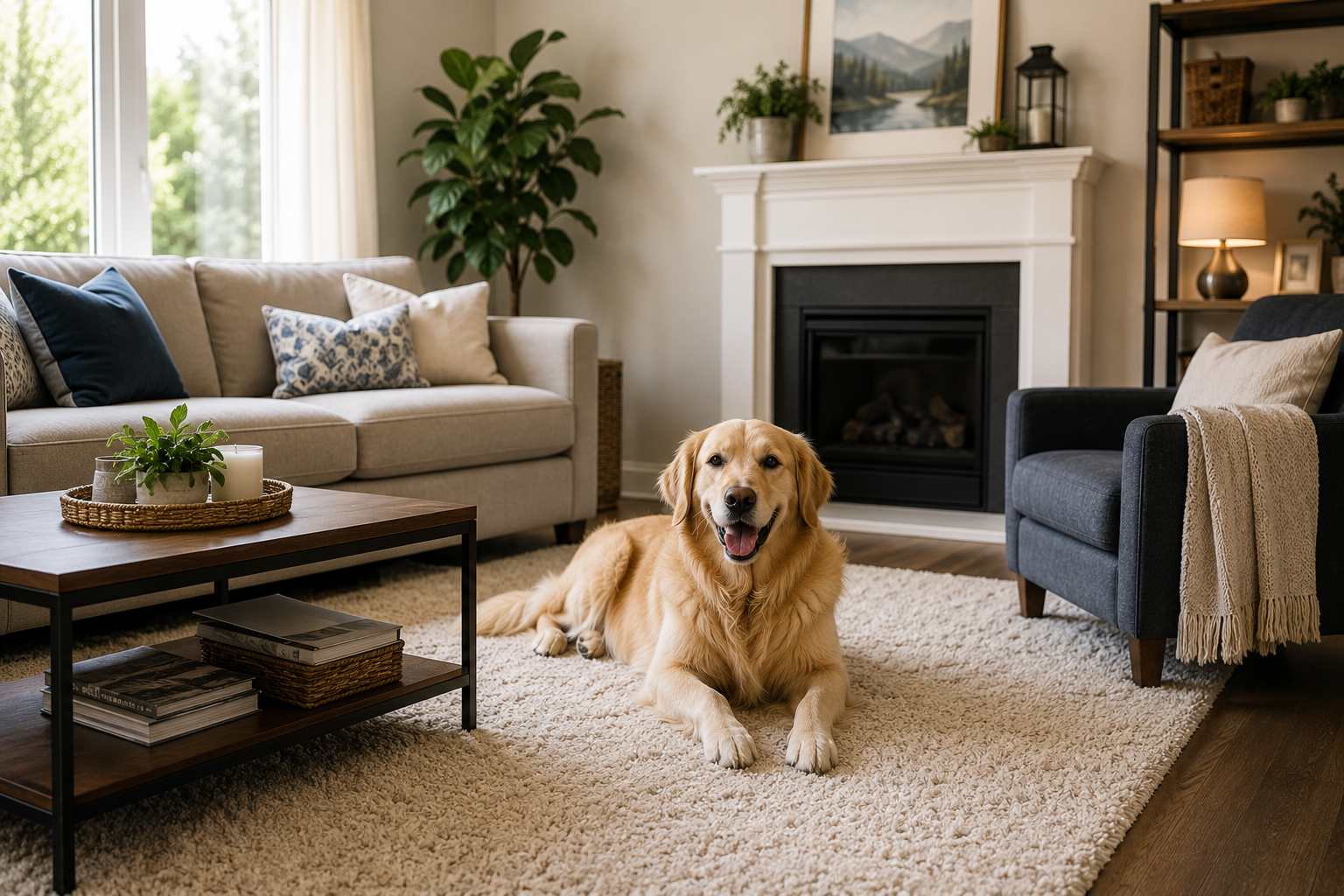
Few household odors are as frustrating as the persistent smell of wet dog.
Even after:
- mopping,
- vacuuming,
- washing pet bedding,
- and using air fresheners,
many homeowners still notice a lingering damp dog smell throughout the house.
The problem is that wet dog odor is rarely caused by just one thing.
In most cases, the smell comes from a combination of:
- moisture,
- pet oils,
- bacteria,
- trapped fur,
- poor airflow,
- and fabrics that continue absorbing odors over time.
Simply masking the smell with sprays or candles usually does not solve the real issue.
In this guide, you’ll learn:
- Why wet dog smell becomes trapped indoors
- The science behind wet pet odor
- The most common hidden odor sources
- How to remove wet dog smell from furniture and carpets
- How humidity and ventilation affect odors
- Cleaning mistakes that make smells worse
- Long-term prevention strategies
- The best tools and products for odor control
By the end of this article, you’ll understand exactly why your house still smells like wet dog — and how to remove the odor at the source.

Why Wet Dog Smell Happens
Wet dog odor is caused by a mix of:
- moisture,
- natural skin oils,
- bacteria,
- yeast,
- saliva,
- and organic debris trapped in fur.
When a dog becomes wet:
- after rain,
- baths,
- swimming,
- or humid weather,

water activates odor-causing microorganisms already present on the fur and skin.
As moisture evaporates into the air, the smell spreads throughout the home.
This effect becomes much stronger indoors because enclosed spaces trap humidity and odors.
Why the Smell Stays Even After Cleaning
Many homeowners clean surfaces without removing the actual odor source.
The smell often remains hidden inside:
- carpets,
- couch cushions,
- curtains,
- pet beds,
- HVAC systems,
- and soft fabrics.
Moisture can also become trapped underneath surfaces where normal cleaning cannot reach.
That’s why homes may continue smelling like wet dog even after:
- vacuuming,
- mopping,
- or using air fresheners.
The Most Common Hidden Sources of Wet Dog Smell
Carpets and Rugs
Carpets absorb:
- moisture,
- fur,
- oils,
- and bacteria very easily.
Even if the carpet surface looks clean, the padding underneath may still contain odor buildup.
Humidity makes carpet odors much stronger.
Couches and Upholstery
Fabric furniture acts like a sponge for pet smells.

Wet fur transfers:
- oils,
- saliva,
- dirt,
- and bacteria
deep into cushions and upholstery fibers.
Pet Beds and Blankets
Pet bedding is one of the biggest odor traps inside homes.
Without regular deep cleaning, odors quickly return.
Curtains and Fabric Decor
Many people forget that curtains absorb airborne odors continuously.
This becomes worse in:
- small rooms,
- apartments,
- and poorly ventilated spaces.
HVAC Systems and Air Vents
Air conditioning systems can circulate pet odors through the entire home.
Dirty filters may trap:
- dander,
- moisture,
- dust,
- and odor particles.
Damp Towels and Pet Accessories
Leashes, towels, collars, and harnesses can continue spreading wet dog smell long after use.
Why Humidity Makes Wet Dog Smell Worse
Humidity plays a massive role in odor buildup.
Moist environments allow:
- bacteria,
- mildew,
- and odor particles
to spread more easily.
Homes with poor airflow often trap:
- moisture,
- warm air,
- and pet smells.
This is why wet dog odor becomes stronger during:
- rainy seasons,
- summer humidity,
- or after bathing pets indoors.
How to Remove Wet Dog Smell From Your House
1. Dry Your Dog Properly
This is one of the most important steps.
Never allow wet fur to remain damp indoors for long periods.
Use:
- absorbent towels,
- pet dryers,
- or strong airflow after baths or rainy walks.
Pay close attention to:
- undercoat areas,
- paws,
- neck folds,
- and ears.
2. Wash Pet Bedding Frequently
Pet beds absorb odors faster than almost any other surface.

Wash:
- blankets,
- removable covers,
- and soft toys regularly.
Use pet-safe detergents whenever possible.
3. Vacuum More Often
Pet hair traps:
- moisture,
- oils,
- and odor particles.
Frequent vacuuming helps reduce buildup before odors spread deeply.
Use vacuums designed for:
- pet hair,
- upholstery,
- and carpet cleaning.
4. Deep Clean Carpets and Upholstery
Surface cleaning alone is usually not enough.

Steam cleaners and upholstery extractors help remove:
- trapped moisture,
- bacteria,
- deep dirt,
- and oils.
Always allow fabrics to dry completely afterward.
5. Improve Ventilation
Fresh airflow helps reduce trapped moisture and odors.

Helpful strategies include:
- opening windows,
- using fans,
- improving HVAC circulation,
- and using dehumidifiers.
Better airflow can dramatically reduce wet dog odor.
6. Replace HVAC Filters
Dirty filters continuously circulate odors through the house.

Pet-friendly homes often need more frequent filter replacement.
7. Use Baking Soda on Fabrics
Baking soda helps absorb mild odors naturally.
It works especially well on:
- carpets,
- couches,
- rugs,
- and pet bedding.
Let it sit for several hours before vacuuming.
8. Use Enzyme-Based Odor Removers
Enzyme cleaners break down:
- organic residue,
- bacteria,
- saliva,
- and pet oils.
Unlike air fresheners, they target the actual odor source.
Common Cleaning Mistakes That Make Wet Dog Smell Worse
Using Too Much Water
Oversaturating carpets and furniture can trap moisture deeper inside materials.
This may worsen odors later.
Covering Odors Instead of Removing Them
Candles and sprays often mask smells temporarily.
The odor source remains underneath.
Skipping Drying Time
Damp fabrics can develop mildew quickly.
Ignoring HVAC Systems
Many people clean surfaces but forget air circulation systems.
Not Cleaning Pet Accessories
Collars, leashes, and towels can continuously spread odor.
Best Products for Wet Dog Odor Control
Several tools can help improve odor removal.
Pet Hair Vacuums
Useful for:
- fur,
- dander,
- and odor-causing debris.
Upholstery Extractors
Excellent for:
- couches,
- rugs,
- and deep fabric cleaning.
Air Purifiers
HEPA air purifiers help reduce:
- airborne pet dander,
- dust,
- and odor particles.
Dehumidifiers
Lower humidity levels help reduce odor intensity.
Especially useful in:
- basements,
- apartments,
- and humid climates.
Enzyme-Based Cleaners
Very effective for:
- organic odors,
- saliva,
- and wet fur residue.
How to Prevent Wet Dog Smell Long Term
Prevention is easier than deep odor removal later.
Helpful habits include:
- drying pets thoroughly,
- washing pet bedding weekly,
- improving ventilation,
- vacuuming regularly,
- and deep cleaning fabrics consistently.
Small maintenance habits make a major difference over time.
Final Thoughts
Wet dog smell usually comes from:
- trapped moisture,
- pet oils,
- bacteria,
- fabrics,
- and poor airflow.
The odor often remains because homeowners clean visible surfaces while hidden moisture and bacteria continue spreading smells underneath.
The best long-term solution combines:
- moisture control,
- deep cleaning,
- airflow improvement,
- regular maintenance,
- and odor-neutralizing products.

Instead of masking odors temporarily, focus on removing the source completely.
With proper cleaning habits and ventilation, even pet-friendly homes can stay fresh, clean, and comfortable year-round.
Quick Summary
- Dry wet pets completely
- Wash pet bedding frequently
- Vacuum pet hair regularly
- Deep clean carpets and upholstery
- Improve home ventilation
- Replace HVAC filters
- Use baking soda for mild odors
- Use enzyme cleaners for deep odors
- Avoid oversaturating fabrics
- Maintain low indoor humidity
With the right cleaning and airflow strategies, wet dog smell can be controlled before it spreads throughout the home.