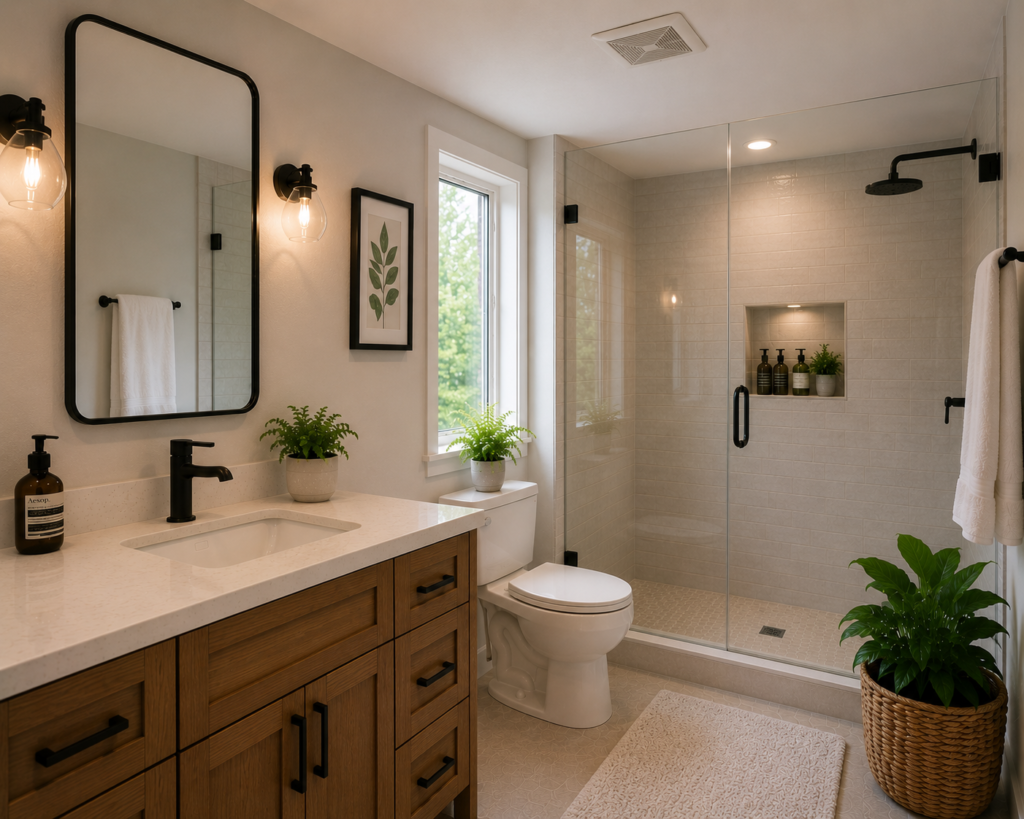
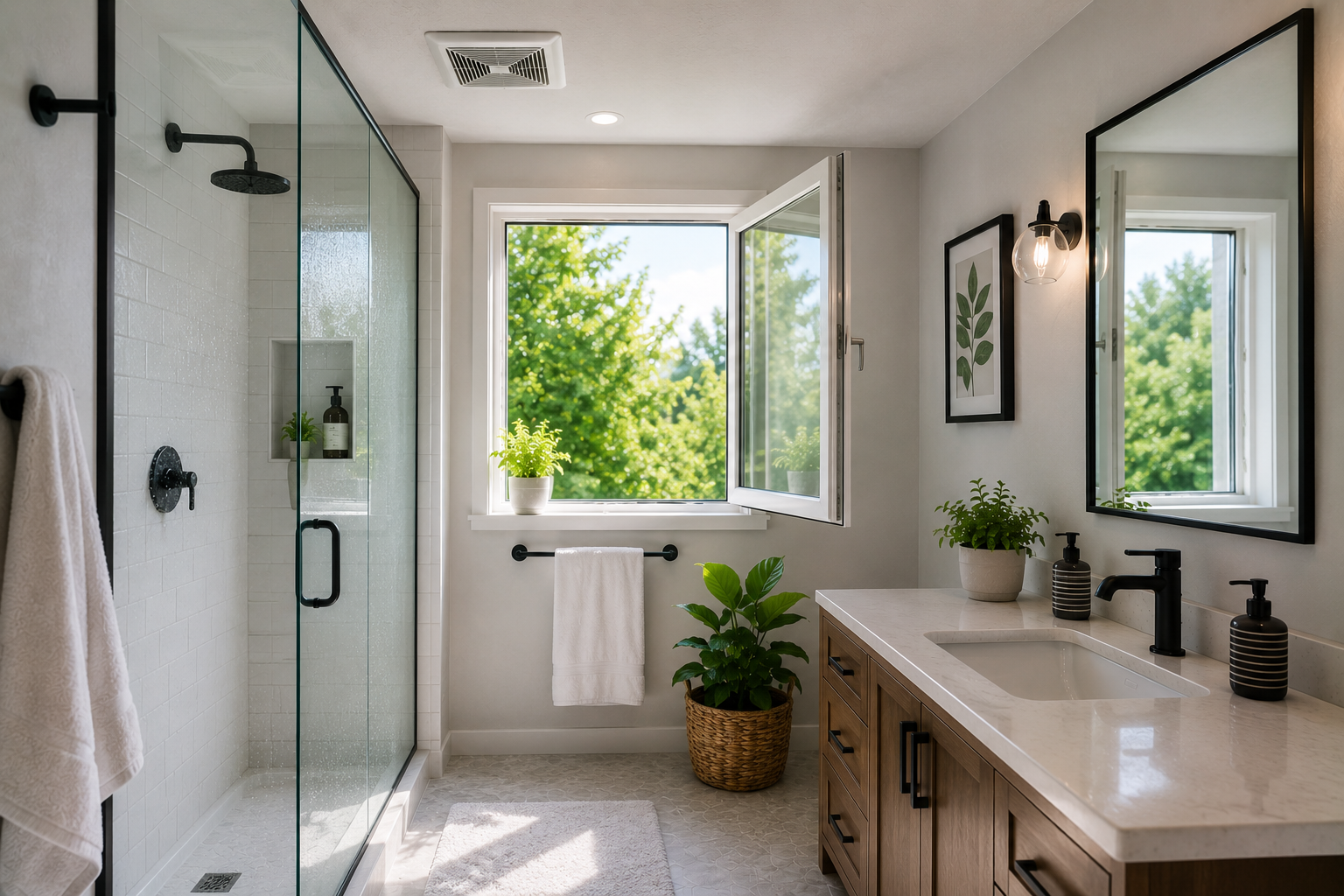
Bathroom ventilation is one of the most important factors in preventing mold, mildew, condensation, and long-term moisture damage inside a home.
Every shower releases warm humid air into the bathroom. Without proper airflow, this moisture becomes trapped and creates the perfect environment for mold spores to grow on ceilings, walls, grout, caulk, and other damp surfaces.
Many homeowners experience recurring bathroom mold because humidity is never fully removed after showers.
Common problems caused by poor bathroom ventilation include:
- black mold growth,
- peeling paint,
- mildew smells,
- foggy mirrors,
- condensation,
- damp walls,
- moisture stains,
- recurring humidity buildup.
The good news is that improving ventilation naturally can significantly reduce moisture problems without relying heavily on harsh chemicals.
In this guide, you’ll learn:
- Why bathroom ventilation matters
- How poor airflow causes mold growth
- The best natural ventilation methods
- How to improve airflow in small bathrooms
- Mistakes that trap humidity indoors
- Affordable ways to reduce moisture naturally
- Long-term ventilation habits that actually work
By the end of this article, you’ll know exactly how to improve bathroom ventilation naturally and reduce mold problems long-term.
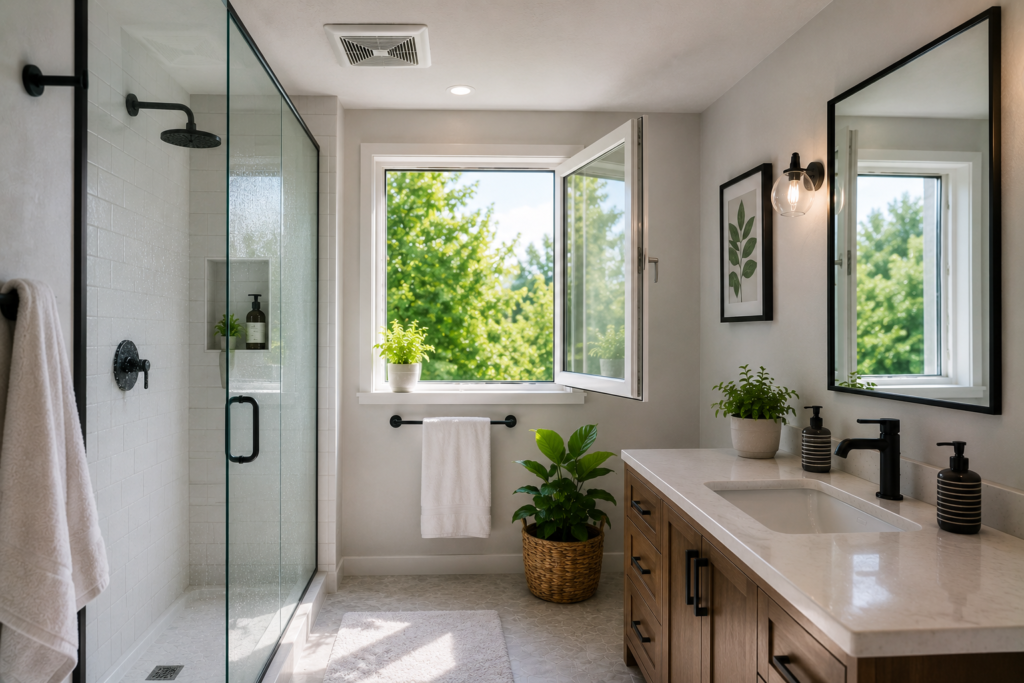
Why Bathroom Ventilation Is So Important
Bathrooms produce more humidity than almost any other room in a home.
Hot showers release steam that quickly spreads throughout the room.
Without ventilation:
- moisture stays trapped,
- surfaces remain wet,
- humidity rises,
- mold spores grow faster.
Proper airflow helps remove humid air before mold has time to develop.
How Poor Airflow Causes Mold
Mold thrives in:
- damp environments,
- warm temperatures,
- poor ventilation,
- high humidity.
Bathrooms naturally create all of these conditions.
When steam cannot escape properly, condensation forms on:
- mirrors,
- ceilings,
- walls,
- windows,
- tiles,
- bathroom fixtures.
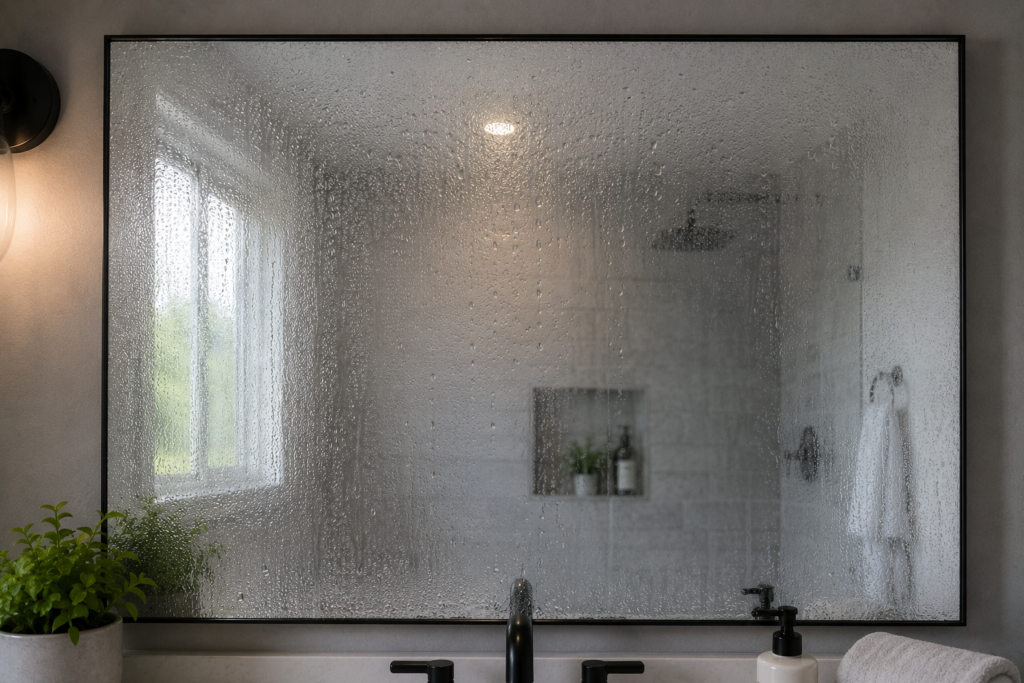
Over time, recurring moisture creates ideal conditions for mildew and mold growth.
Common Signs Your Bathroom Has Poor Ventilation
Many homeowners overlook the early warning signs.
Common indicators include:
- mirrors staying foggy,
- damp ceilings,
- mildew smells,
- peeling paint,
- recurring mold spots,
- condensation on windows,
- slow drying towels,
- humid air lingering after showers.
If your bathroom stays wet long after showering, airflow is likely insufficient.
1. Use the Exhaust Fan Correctly
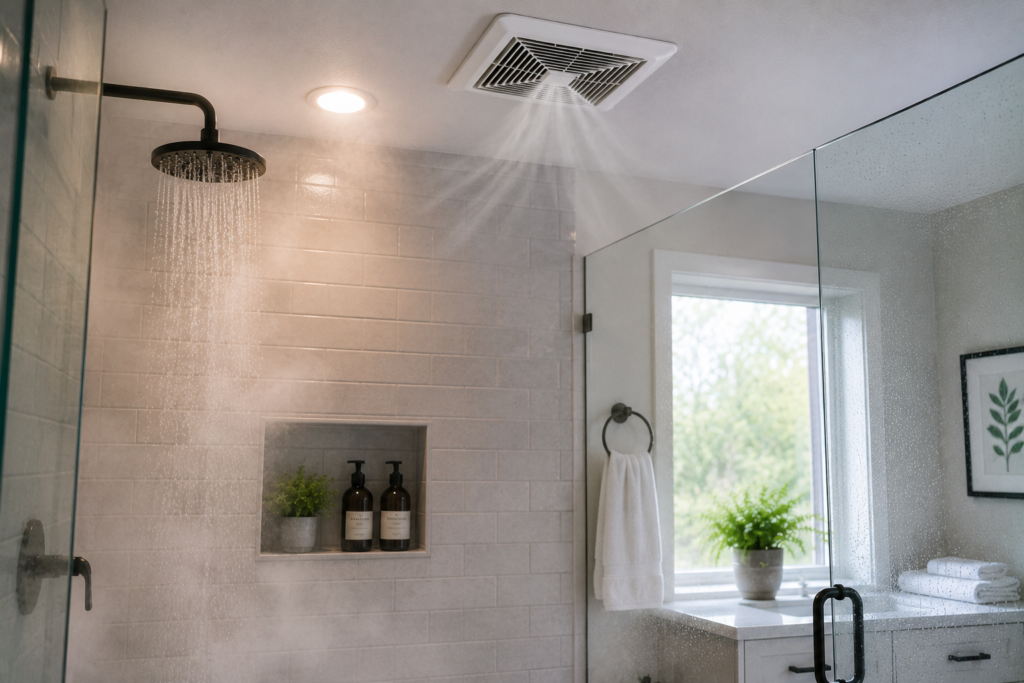
Bathroom exhaust fans are one of the most effective ventilation tools.
However, many people do not use them properly.
For best results:
- turn the fan on before showering,
- leave it running during showers,
- keep it on for 20–30 minutes afterward.
This helps remove lingering humidity much more effectively.
Why Many Bathroom Fans Don’t Work Well
Some bathroom fans struggle because they are:
- dirty,
- clogged with dust,
- too weak,
- rarely cleaned,
- or improperly sized.
Dust buildup reduces airflow significantly over time.
Cleaning fans regularly may improve performance noticeably.
2. Open Windows Whenever Possible
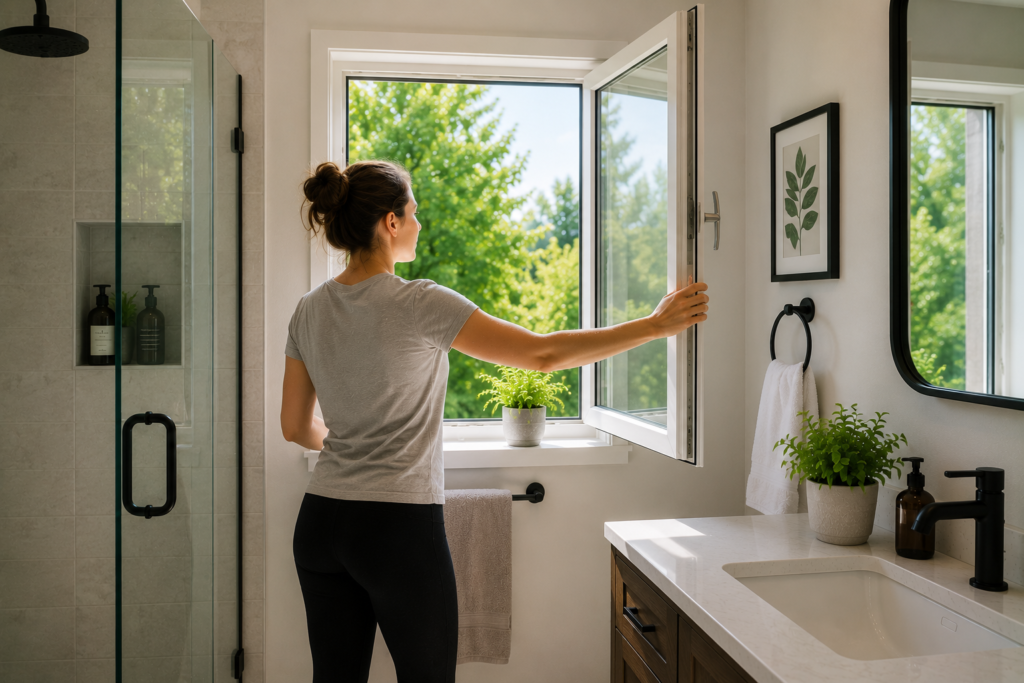
Natural airflow is extremely effective for reducing humidity.
Even partially opening a bathroom window may help:
- remove steam,
- improve circulation,
- dry surfaces faster,
- reduce condensation.
Bathrooms with windows often experience fewer mold problems than completely enclosed spaces.
3. Leave the Bathroom Door Open After Showers
Many people close the bathroom immediately after showering.
This traps steam inside the room.
Leaving the door partially open allows:
- humid air to escape,
- fresh air to circulate,
- surfaces to dry faster.
Simple airflow improvements can dramatically reduce mold risk over time.
4. Use Cooler or Shorter Showers
Long hot showers create large amounts of steam.
Reducing shower length may help:
- lower humidity,
- reduce condensation,
- improve drying speed,
- decrease moisture buildup.
Even small reductions in steam can make a noticeable difference.
5. Dry Wet Surfaces Quickly
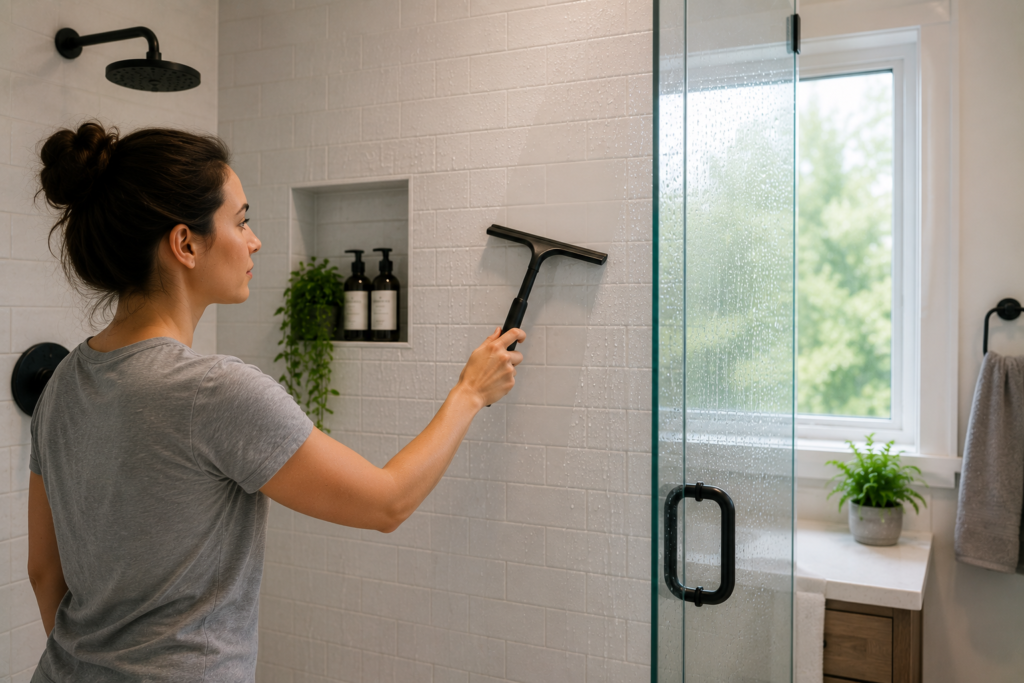
Removing moisture manually is one of the fastest ways to reduce humidity.
Helpful tools include:
- squeegees,
- microfiber cloths,
- dry towels.
Focus on:
- shower walls,
- mirrors,
- counters,
- windows,
- glass doors.
Dry surfaces make mold growth much more difficult.
6. Improve Airflow in Small Bathrooms
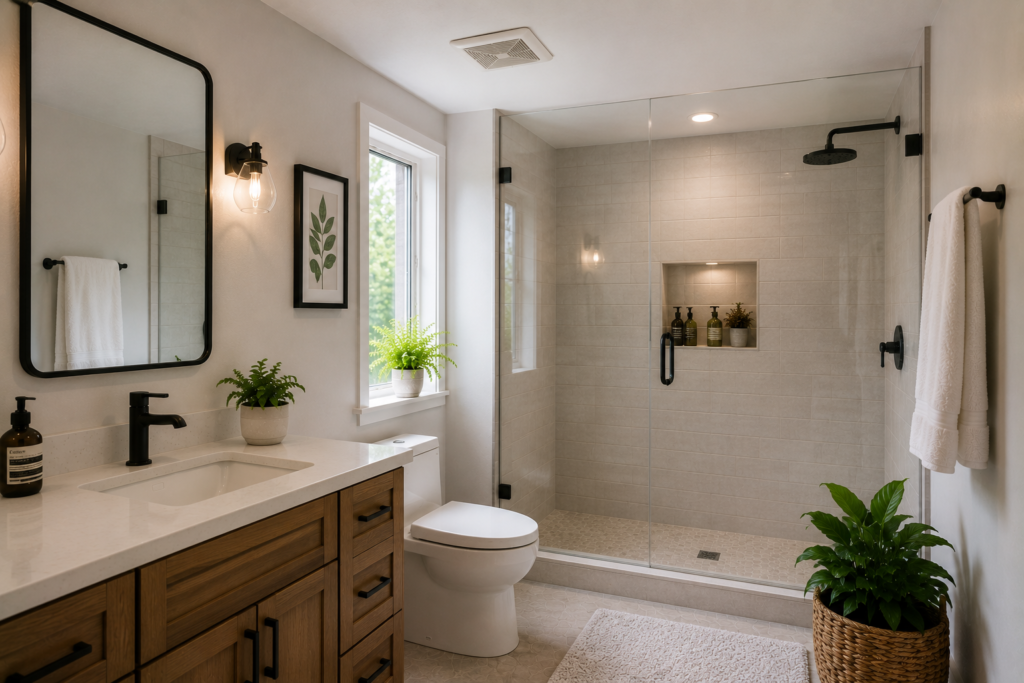
Small bathrooms trap humidity much more easily.
Helpful strategies include:
- reducing clutter,
- spacing towels apart,
- using open shelving,
- avoiding overcrowded storage,
- improving airflow around corners.
Good airflow helps moisture evaporate faster.
Bathrooms Without Windows Need Extra Ventilation
Windowless bathrooms often require additional moisture control.
Helpful options include:
- stronger exhaust fans,
- portable fans,
- dehumidifiers,
- moisture absorbers.
Without airflow, humidity remains trapped much longer.
Should You Use a Dehumidifier in the Bathroom?
In many humid homes, yes.
Compact dehumidifiers may help:
- reduce moisture,
- improve air quality,
- lower condensation,
- reduce mold risk.
They are especially useful in:
- apartments,
- humid climates,
- windowless bathrooms,
- poorly ventilated spaces.
Best Natural Ways to Reduce Bathroom Humidity
Many homeowners improve ventilation naturally by:
- opening windows,
- using exhaust fans properly,
- improving towel drying,
- reducing steam buildup,
- increasing airflow,
- drying surfaces daily.
Consistency matters more than deep cleaning alone.
Common Bathroom Ventilation Mistakes
Avoid these common problems:
Never Using the Exhaust Fan
Steam remains trapped inside.
Closing the Bathroom Immediately After Showering
Humidity cannot escape.
Ignoring Fan Maintenance
Dust buildup reduces airflow.
Leaving Wet Towels Bunched Together
Damp fabrics increase humidity.
Overcrowding Small Bathrooms
Poor airflow traps moisture.
Frequently Asked Questions
How do I ventilate a bathroom naturally?
Opening windows, improving airflow, and reducing trapped humidity are the best natural methods.
Can poor ventilation cause mold?
Yes. Trapped humidity is one of the main causes of bathroom mold.
How long should I run the bathroom fan?
Usually 20–30 minutes after showering helps remove excess moisture.
Are windowless bathrooms more likely to get mold?
Yes. Limited airflow allows humidity to remain trapped longer.
Can ventilation stop mold completely?
Good ventilation greatly reduces mold risk, especially when combined with regular cleaning and moisture control.
Final Thoughts
Bathroom ventilation is one of the most effective natural ways to reduce mold, mildew, condensation, and excess humidity.
Fortunately, small daily habits can make a major difference.
By:
- improving airflow,
- removing moisture quickly,
- using fans correctly,
- reducing trapped steam,
- and drying surfaces consistently,
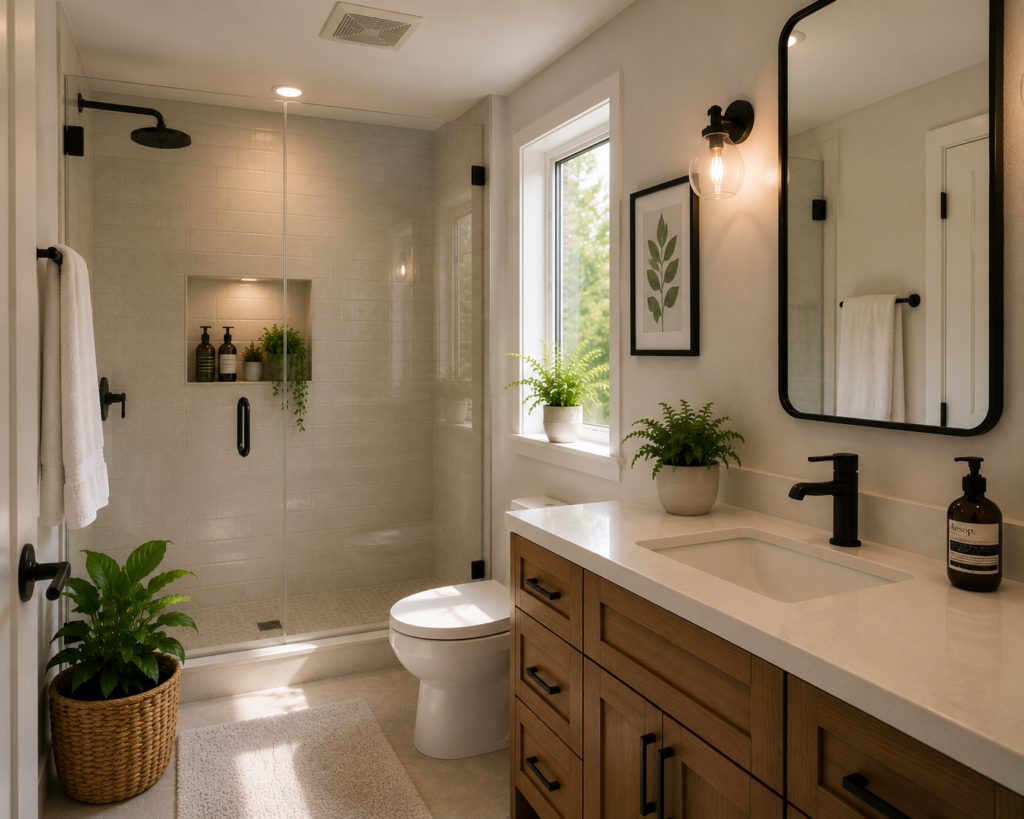
you can create a bathroom that stays:
- cleaner,
- drier,
- fresher,
- and far less vulnerable to mold growth.
Natural ventilation improvements help protect both your bathroom and your indoor air quality long-term.