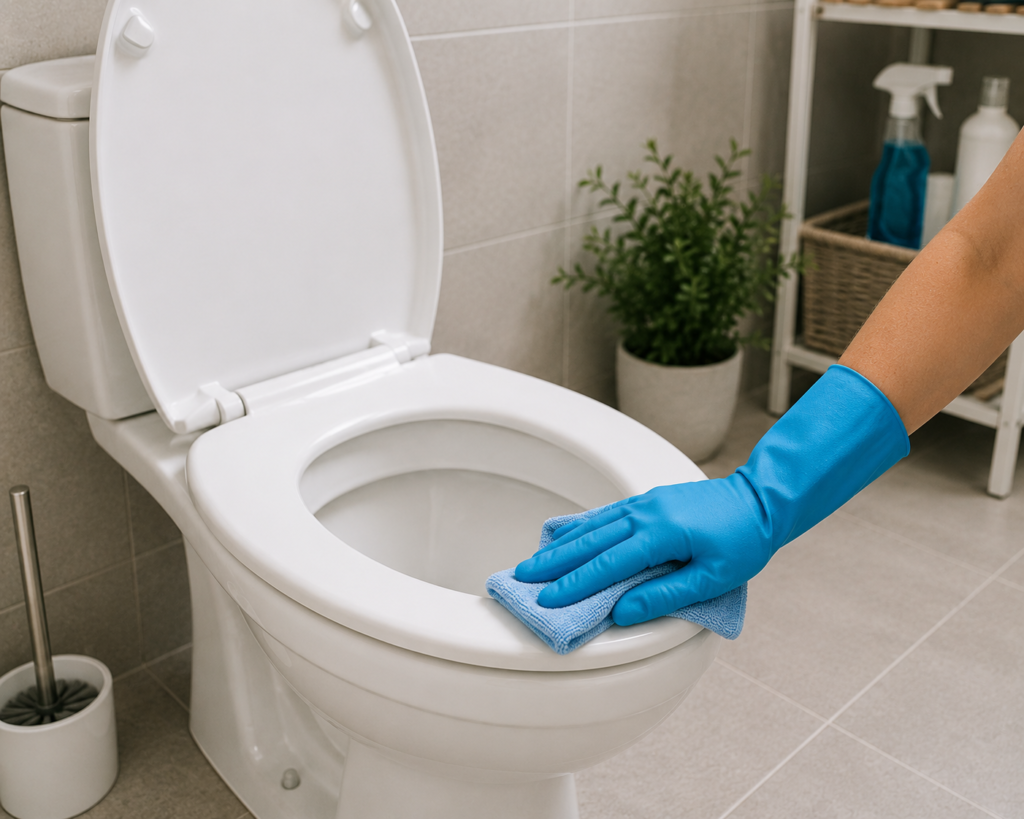
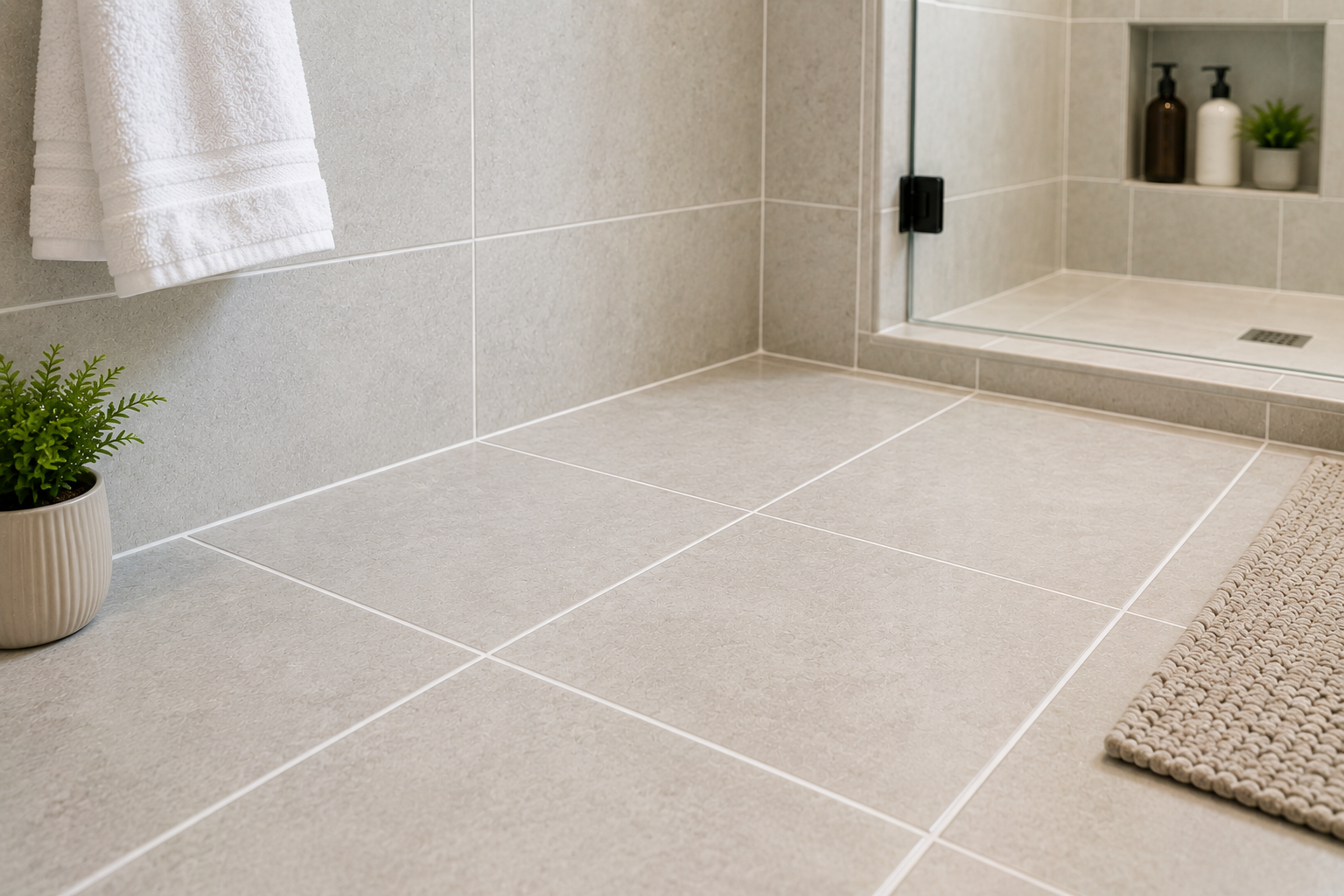
Bathroom grout is one of the most common places for mold to grow.
Because grout is porous, it absorbs moisture easily and stays damp longer than many other bathroom surfaces. Over time, humidity, soap residue, poor ventilation, and trapped moisture create the perfect environment for mold and mildew growth.
Many homeowners notice black spots appearing:
- between tiles,
- around shower corners,
- near bathtubs,
- along floor grout,
- and around bathroom walls.
The good news is that keeping bathroom grout mold-free long-term is possible with the right cleaning habits, moisture control, and prevention strategies.
In this guide, you’ll learn:
- Why bathroom grout develops mold so easily
- The biggest causes of grout discoloration
- How humidity affects grout
- The best daily habits for prevention
- Safe cleaning methods for grout
- Long-term grout protection tips
- Common mistakes that make grout mold worse
By the end of this article, you’ll know exactly how to keep your bathroom grout cleaner, brighter, and mold-free for the long term.
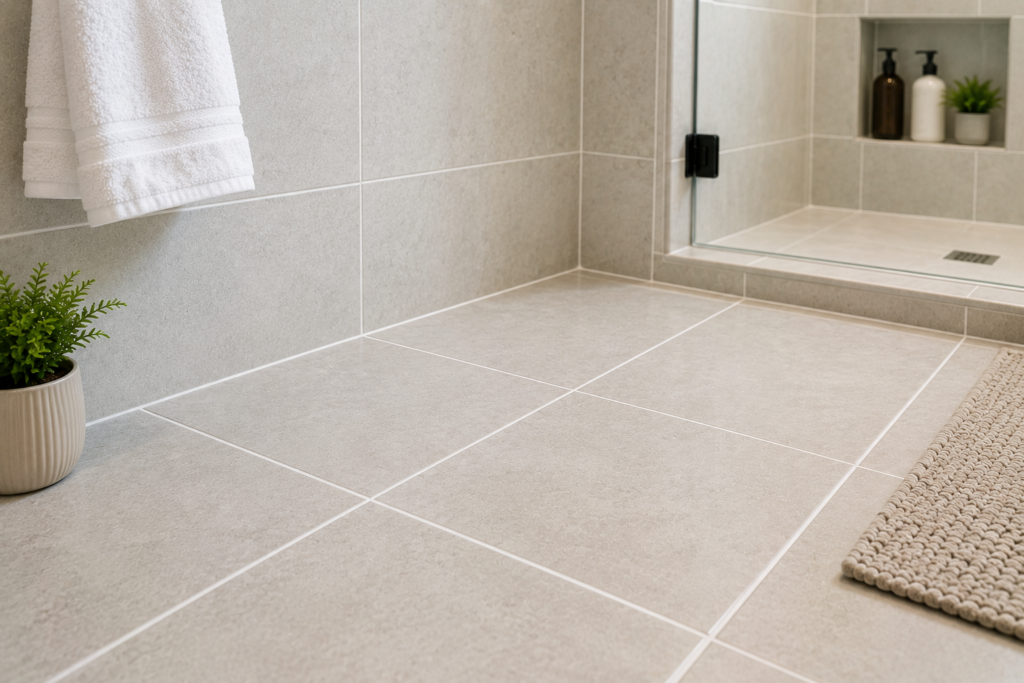
Why Bathroom Grout Gets Moldy So Easily
Grout is naturally porous.
This means it can absorb:
- water,
- steam,
- soap residue,
- body oils,
- minerals,
- and humidity.
Bathrooms create constant moisture through:
- hot showers,
- steam buildup,
- wet floors,
- damp towels,
- condensation.
When grout stays wet repeatedly, mold spores begin growing inside tiny pores and cracks.
This is why grout often becomes:
- dark,
- stained,
- discolored,
- or musty-smelling over time.
Common Signs of Moldy Bathroom Grout
Grout mold often starts gradually.
Common warning signs include:
- black spots between tiles,
- dark shower corners,
- pink or orange stains,
- musty smells,
- discolored grout lines,
- recurring mildew after cleaning,
- damp tile edges.
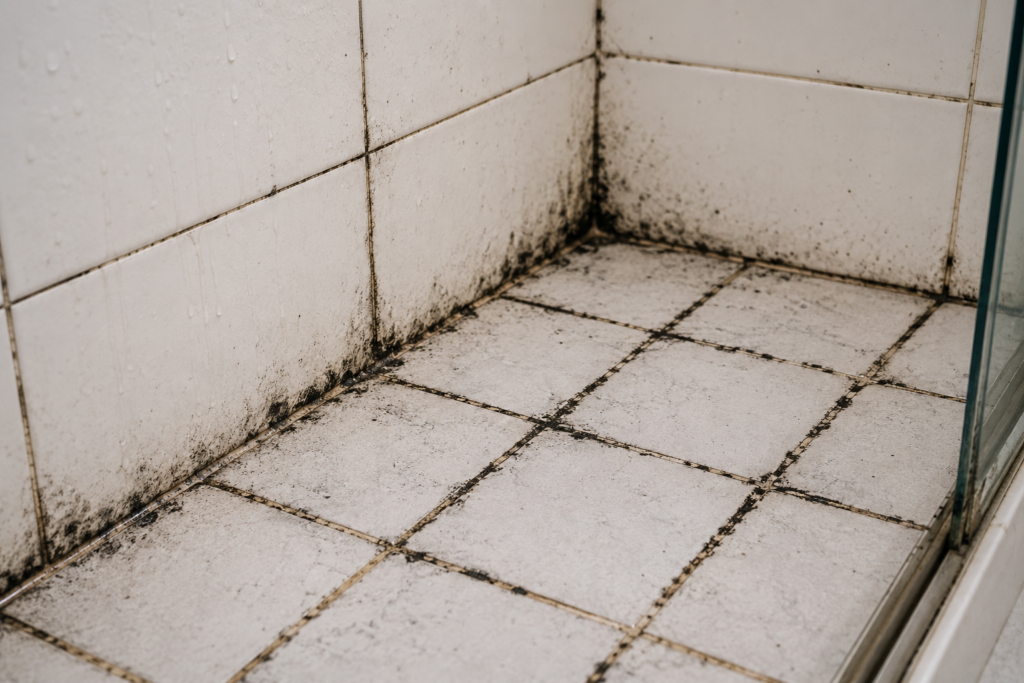
Early treatment is much easier than restoring heavily damaged grout later.
1. Excess Moisture Is the Main Cause
Moisture is the biggest reason grout develops mold.
Steam from showers settles directly onto:
- tile walls,
- shower floors,
- grout lines,
- ceilings,
- and bathroom corners.
Without proper drying, moisture remains trapped inside the grout.
Over time, mold begins growing beneath the surface.
Why Small Bathrooms Have Worse Grout Mold Problems
Small bathrooms trap humidity more easily.
Limited airflow means grout dries much more slowly after showers.
Bathrooms without:
- windows,
- strong exhaust fans,
- or proper ventilation
often experience much faster mildew buildup.
2. Poor Ventilation Makes Mold Worse
Ventilation is critical for preventing moldy grout.
Without airflow, humidity remains trapped for long periods after showers.
This creates ideal conditions for:
- mold,
- mildew,
- bacteria,
- condensation.
Signs of Poor Bathroom Ventilation
- Foggy mirrors for long periods
- Damp walls after showers
- Persistent humidity
- Musty odors
- Mold returning quickly after cleaning
How to Improve Bathroom Ventilation
Better airflow helps grout dry faster.
Helpful strategies include:
- running the exhaust fan,
- opening windows,
- leaving the bathroom door open,
- using portable fans,
- reducing bathroom clutter,
- drying wet surfaces quickly.
Even small airflow improvements help reduce mold risk significantly.
3. Soap Scum Feeds Mold Growth
Soap residue creates a sticky layer on grout surfaces.
This layer traps:
- moisture,
- dirt,
- bacteria,
- body oils.
Mold feeds on organic residue left behind on tile surfaces.
Without regular cleaning, buildup becomes worse over time.
How Often Should You Clean Bathroom Grout?
Light cleaning regularly works better than occasional deep cleaning.
Helpful routine:
- wipe shower walls daily,
- clean grout weekly,
- deep clean monthly,
- inspect corners regularly.
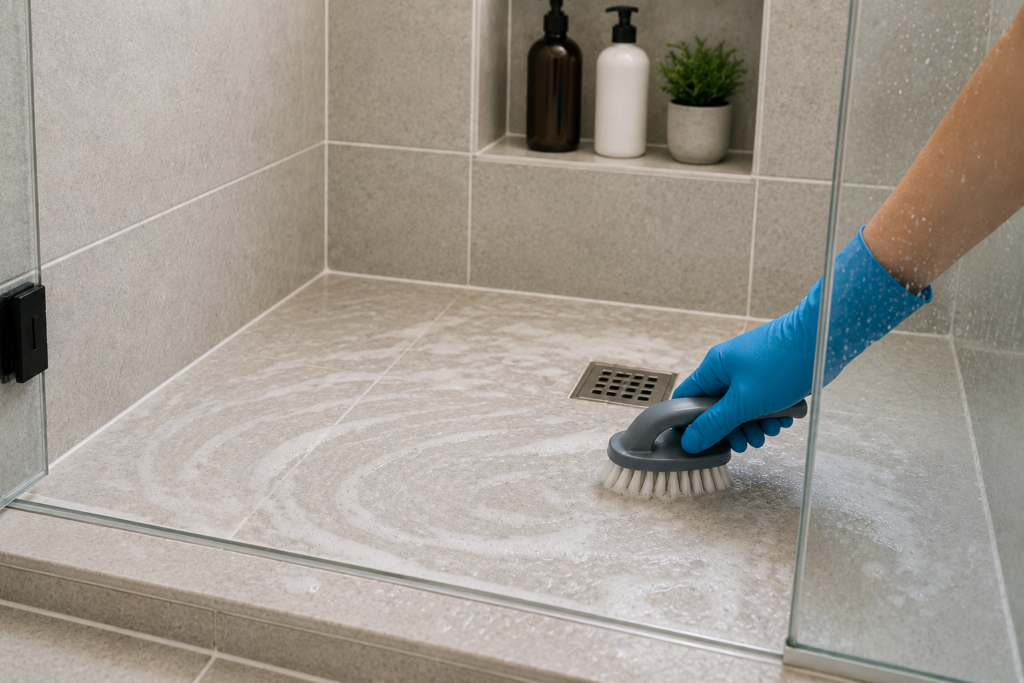
Consistent maintenance prevents mold from spreading deeply into grout.
4. Drying the Shower Properly Matters
One of the best mold prevention habits is drying wet surfaces quickly.
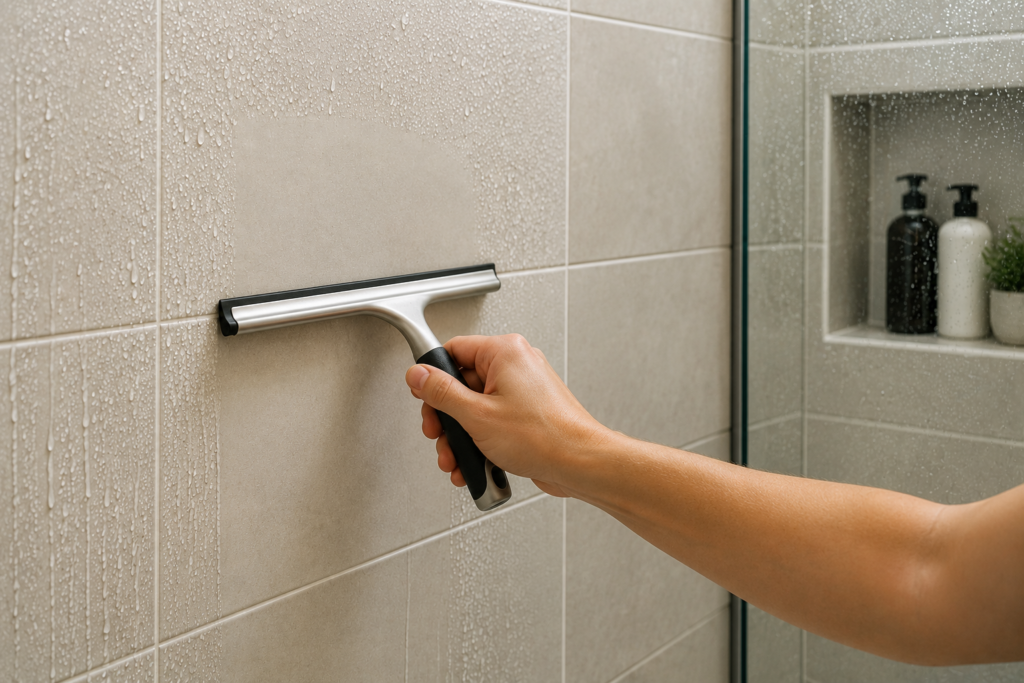
After showers:
- wipe walls,
- dry grout lines,
- remove standing water,
- spread shower curtains open.
Reducing moisture quickly slows mold growth dramatically.
Best Tools for Keeping Grout Mold-Free
Many homeowners use:
- microfiber cloths,
- shower squeegees,
- grout brushes,
- portable fans,
- compact dehumidifiers,
- mold-resistant sealers,
- humidity monitors.
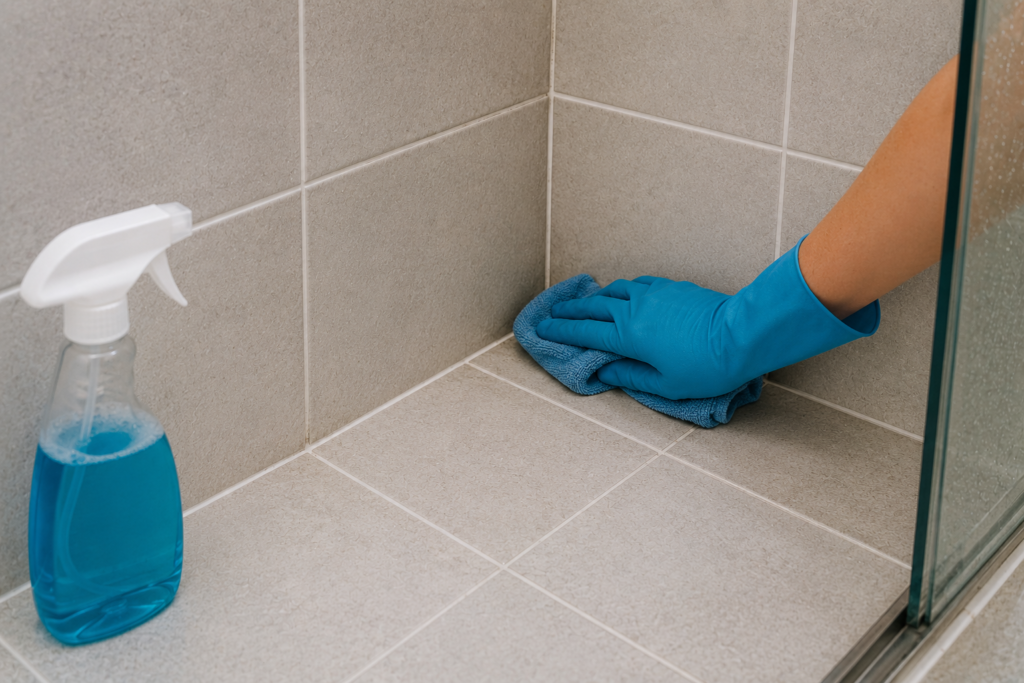
Simple tools can make long-term grout maintenance much easier.
Should You Seal Bathroom Grout?
In many cases, yes.
Grout sealers help create a protective barrier against:
- moisture,
- stains,
- soap buildup,
- mildew growth.
Sealed grout absorbs less water and stays cleaner longer.
Many experts recommend resealing grout:
- every 1–2 years,
depending on bathroom humidity levels.
Safe Ways to Clean Moldy Grout
Gentle cleaning methods help protect grout from damage.
Many people use:
- baking soda,
- vinegar,
- hydrogen peroxide,
- mild grout cleaners.
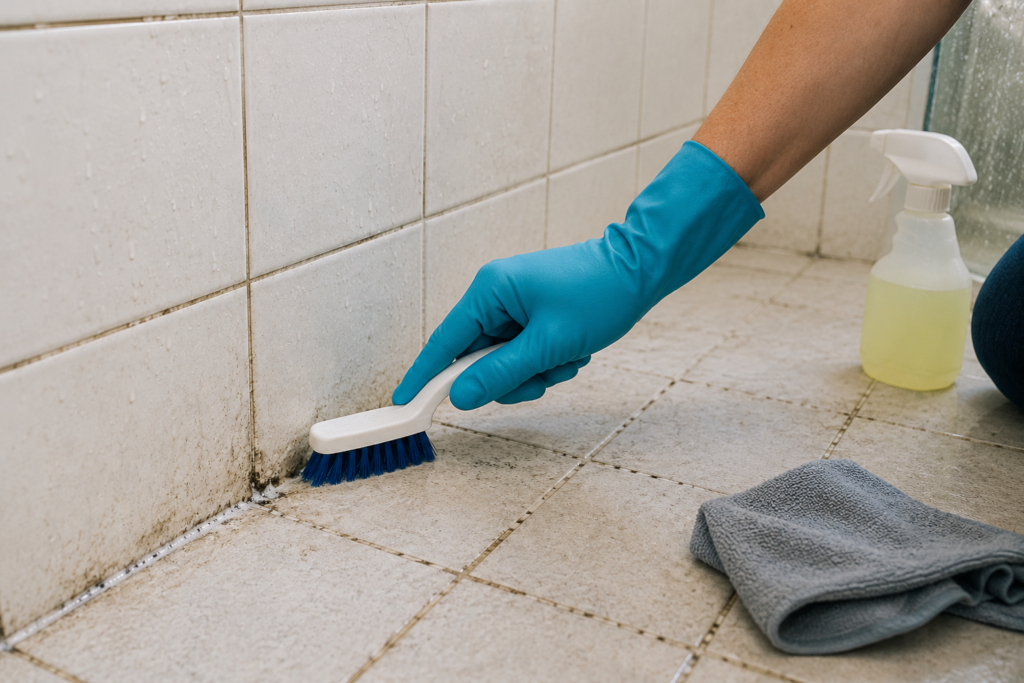
Avoid overly harsh scrubbing that may weaken grout over time.
Common Bathroom Grout Mistakes
Avoid these common problems:
Leaving Wet Surfaces Overnight
Moisture remains trapped inside grout pores.
Never Running the Exhaust Fan
Poor airflow increases humidity dramatically.
Ignoring Small Mold Spots
Minor mildew spreads quickly in damp bathrooms.
Using Too Much Water During Cleaning
Excess water may worsen moisture problems.
Never Resealing Grout
Unprotected grout absorbs moisture much faster.
Long-Term Grout Mold Prevention Tips
Long-term prevention mainly involves controlling moisture consistently.
Helpful habits include:
- improving ventilation,
- drying shower walls,
- cleaning regularly,
- reducing humidity,
- checking grout monthly,
- resealing grout periodically.
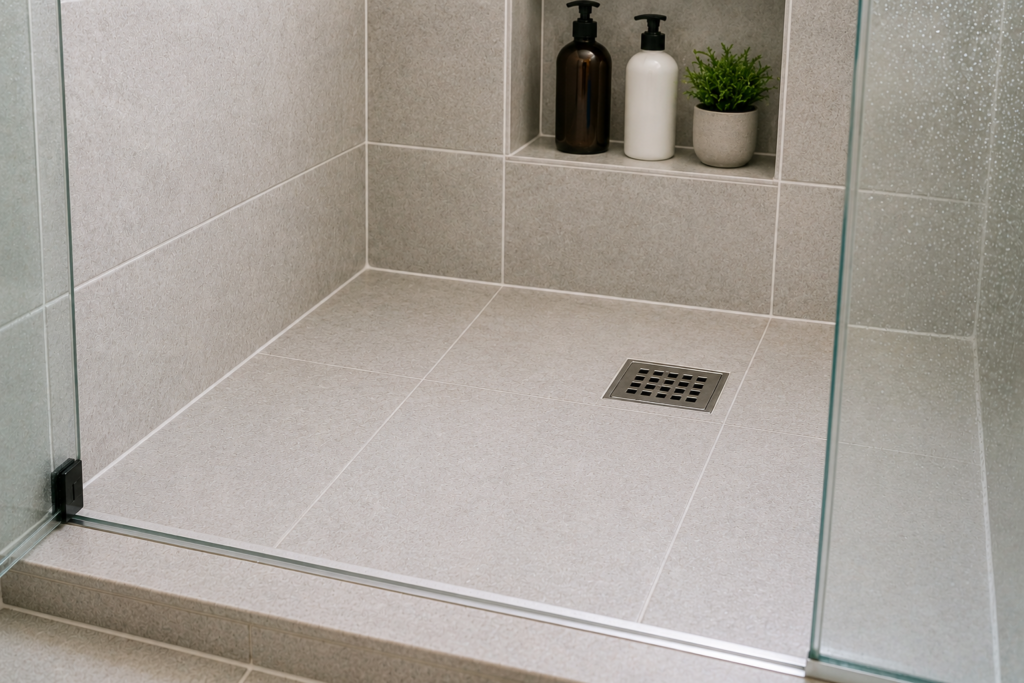
Small daily habits make the biggest difference over time.
Frequently Asked Questions
Why does bathroom grout turn black?
Usually because of mold, mildew, trapped moisture, and soap buildup.
Can mold grow underneath grout?
Yes. Mold may spread inside porous grout over time.
Is bleach safe for grout?
Occasional use may help, but excessive bleach can weaken grout long-term.
How do I stop grout mold from returning?
The key is moisture control, ventilation, and consistent maintenance.
Should I dry shower walls after every use?
Yes. Removing moisture quickly is one of the best prevention habits.
Final Thoughts
Bathroom grout naturally absorbs moisture, making it highly vulnerable to mold and mildew growth over time.
Fortunately, most grout mold problems can be prevented with:
- better airflow,
- lower humidity,
- regular cleaning,
- proper drying habits,
- and periodic sealing.
Consistency matters far more than aggressive cleaning.
By reducing trapped moisture and maintaining grout properly, you can keep bathroom tile surfaces cleaner, brighter, and mold-free for many years.